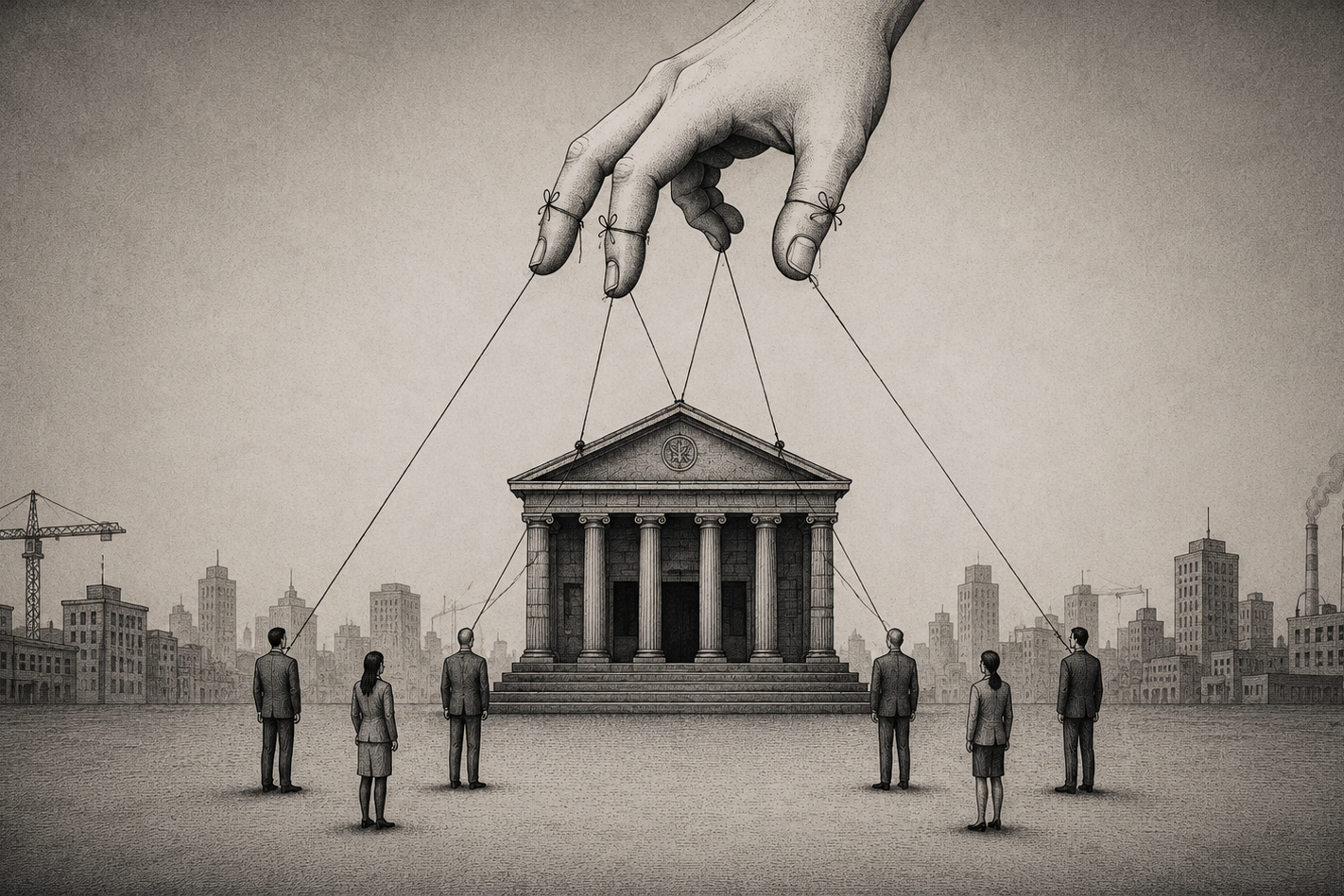
Turning Crisis into Expertise
Every complex system eventually fails. The real question is not whether errors occur, but what a system does with them afterwards.

Every complex system eventually fails. The real question is not whether errors occur, but what a system does with them afterwards. Weak institutions try to isolate the problem as quickly as possible. Mature ones use the incident as a springboard for the evolution of the entire structure.
A recent case involving a viral video that gathered an incredible 300 billion views exposed a critical vulnerability in our social architecture. When 15 seconds of content can instantly destroy a decades-long career of an HR director at a technology company, it becomes a challenge not only for the individual but also for the businesses and digital platforms that operate in the attention economy.
Algorithmic Responsibility: Profiting from Pain
Modern digital platforms are built on an economy of attention, where the primary currency is emotion – especially intense and high-conflict emotions. Algorithms tend to amplify crises because outrage generates maximum engagement. As those who have found themselves at the center of such storms often observe, the more pain a person experiences, the more money corporations make from every click and share.
The architecture of the digital future must include ethical safeguards for algorithms. Business systems should not be the beneficiaries of destroyed lives. Since it is impossible to ban profit, it must be balanced by a clear path toward recovery. It is important to emphasize that this logic is not an attempt to justify or encourage crises. On the contrary, it is a necessary tool for protection against digital mob justice, where a public reaction involving hundreds of billions of views becomes wildly disproportionate to the event itself.
When algorithms turn a private mistake into a life sentence, the system must provide the individual with a way out of total destruction.
Crisis as a Turning Point: Balancing Scales
In Chinese, the word for “crisis” consists of characters representing “danger” and a “critical turning point.” It is precisely this turning point that creates the potential for a new trajectory.
In the context of modern institutions, the discussion should not revolve around “forgiveness” or a “second chance” as an act of mercy. Instead, it is a functional necessity to balance the scale of the crisis with a proportional scale of new opportunities for both the individual and the system.
If a crisis reaches a global scale, the system’s response must be equally significant. Returning to an “old life” is often impossible because the digital archive of memes and misinformation lives forever. Instead, the system should offer a transition to a new quality of professional life.
A specialist who has survived the epicenter of a reputational or professional collapse gains unique expertise. Someone who failed to live up to the image of the “ideal manager” may, precisely because of the scale of their crisis, become the best expert in navigating systemic storms.
Crisis as an Investment, Not a Loss
Critics might argue that certain professional roles rely entirely on trust, and once lost, it is gone forever. However, a mature institution understands that a professional who has stood firm under the pressure of viral destruction becomes a carrier of unique anti-crisis expertise that no “perfect” manager possesses.
Preserving such experience is not a privilege; it is economic expediency. Learning from real-world mistakes and retaining experienced talent is far more profitable for a system than an endless cycle of firing and searching for new staff who will eventually face the same algorithmic pressures.
Mature systems should follow the example of aviation or medicine, where every incident becomes a source of new safety standards rather than merely a reason for punishment.
New Subjectivity: The Experience of Overcoming
Today Ukraine offers the world a powerful example of what might be called “new subjectivity” – a survival mechanism that is becoming inreasingly relevant in the 21st century.
The focus shifts from comparing the scale of pain to understanding the mechanism of rebuilding identity after collapse. When the old world – whether a home or a reputation – burns down, a person does not simply endure the loss. They use the collapse as a point of transition to a new quality of being.
This ability to start over, using collapse as a foundation for reinvention, may eventually become an essential part of global corporate culture.
Conclusion
The true maturity of 21st-century institutions is defined by their ability to balance the destructive force of modern crises with the constructive power of new opportunities.
We must move from algorithms that feed on pain toward systems that offer a path to recovery through new expertise.
An institution’s ability to learn from its most painful incidents and turn a knockdown into a breakthrough may ultimately prove the true test of its long-term viability.
- Algorithmic Responsibility
- Anti-Crisis Leadership
- Attention Economy
- Crisis Expertise
- Crisis Management
- Digital Mob Justice
- Institutional Resilience
- Organisational Learning
- Professional Reinvention
- Public Trust
- Reputational Crisis
Related




Written by
AI Systems & Leadership Strategist
An AI systems and leadership strategist focused on decision-making under pressure. She develops AI-driven frameworks for high-stakes environments and explores how human and artificial intelligence interact to produce decisions that endure. Civil Aviation Expert | Author of “A Moment Before the Catastrophe"