
When space makes thinking unavoidable
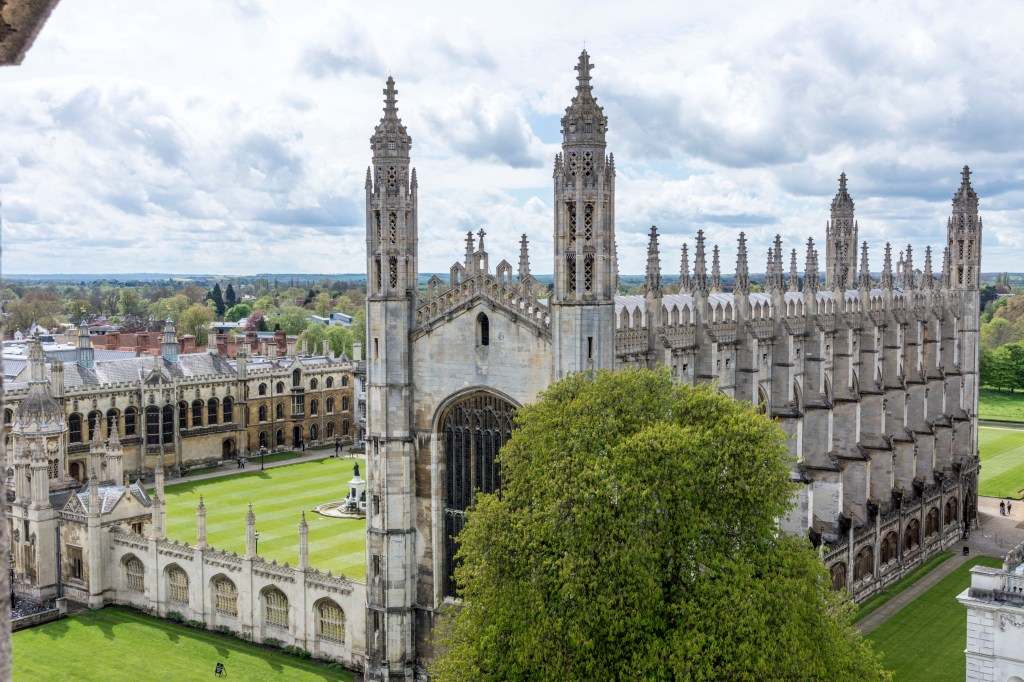
People move more slowly here than they need to.
Not because they are unhurried, but because the space gives them reasons to pause. Paths narrow. Views open unexpectedly. You notice others before you reach them.
At certain moments, stopping feels more natural than passing by.
This is not something students usually talk about when they choose a college. They talk about rooms, libraries, location. Only later do they notice how often they meet the same people, how conversations begin without planning.
The building makes this likely.
Most routes lead through shared courtyards rather than corridors. Windows face open space, not inward. You cross the same ground several times a day, often at the same hours. Over time, faces become familiar before names do.
Avoiding people is possible, but it requires intention.
Inside, the pattern continues. Study spaces are quiet, but not private. People work alone, surrounded by others doing the same. The silence is collective. Concentration feels less like a personal effort and more like something held in common.
Nobody enforces this. There are no signs reminding you to focus. The room does enough.
There is also the matter of time, which is harder to describe but easy to feel. Worn steps. Marked stone. Rooms that have not been redesigned to follow every change in fashion. The building carries evidence of long use.
Students often describe this as grounding rather than intimidating. It does not tell you what to think, but it makes careless thinking harder to sustain.
What stands out is how little of this is managed. There are no programmes encouraging interaction, no formal attempts at interdisciplinarity. The building simply arranges people in ways that make separation inconvenient.
This matters at a moment when physical space is increasingly treated as optional. Learning moves online. Work becomes remote. Buildings are asked to justify their cost.
Places like this suggest a quieter argument.
How people think is not shaped only by ideas and instruction. It is also shaped by where they walk, where they stop, and who they repeatedly encounter without meaning to.
As institutions rethink campuses, coworking spaces, and learning environments, places like King’s offer a quiet reminder. Ideas do not emerge only from individual minds or formal instruction. They are shaped by the spaces that bring people into relation with one another – by where paths cross, where pauses occur, and where presence becomes unavoidable.
 Cambridge Radar - Signals of What’s Next
Залишити коментар